


Frank Dental

Alert me if this item is restocked.
We often restock popular items or they may be returned by the other customers. If you would like to be notified when this happens just enter your details below.
Direct Bur Kit
We respect your privacy and don't share your email with anybody.
Alert me if this item is restocked
We have cancelled your request.
Direct Bur Kit
Direct Bur Kit
Couldn't load pickup availability
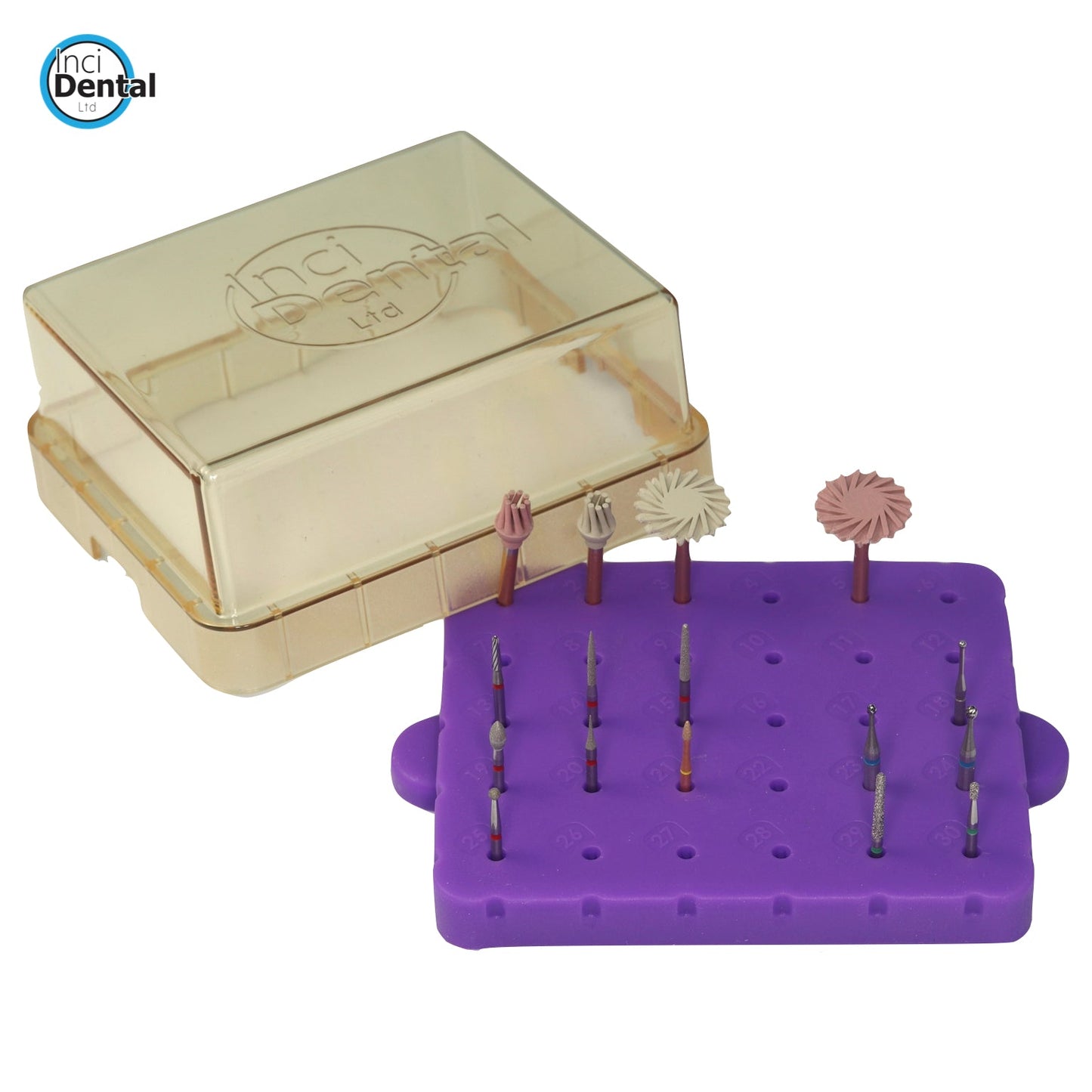
The mix of brands here is deliberate — no single manufacturer does everything best. The EVE Occluflex and Twist polishers are genuinely the best composite finishers we have used at their price point. The Frank Dental carbide rose heads cut carious dentine more cleanly and predictably than traditional steel burs, and they autoclave. The Tor VM mandrel and discs sit alongside the diamonds for situations where a disc gives you better access or a cleaner bevel. Every bur earns its slot.
The kit contains one of each of the following. All burs are available to purchase individually — diamond and carbide burs here and EVE polishers here.
Download the Direct Bur Kit Wall Chart — for easy organisation and reordering
Materials
Materials
Shipping & Returns
Shipping & Returns
Dimensions
Dimensions
Care Instructions
Care Instructions


UK Delivery Within 5 Working Days
Your orders are shipped with Fedex and usually arrive much quicker. We prefer to under promise and overdeliver however! Orders over £100 ship for free.

Unrivalled Value
We are market disrupters: no reps, no trade shows, no course sponsorship, no freebies. All this means consistently better prices for our customers.

Online Customer Service
We offer super responsive online support that we are really proud of. Emailing us is the most efficient way for us to help you

Curated Range
No need to spend valuable time scrolling through page after page of iterations of the same product. We've done the work hard for you; we would'nt use it, we wont sell it!

EU Delivery 2 - 11 Days
Orders from the EU will be delivered, duty paid, via FEDEX. No taxes or duties to pay once your order arrives!
Alert me if this item is restocked.
We often restock popular items or they may be returned by the other customers. If you would like to be notified when this happens just enter your details below.
We respect your privacy and don't share your email with anybody.
Alert me if this item is restocked
Thank you, we have now received and recorded your request to be notified should Direct Bur Kit be restocked.
We will only use your email for this purpose.
We have cancelled your request.
