


Handpiece Club

Alert me if this item is restocked.
We often restock popular items or they may be returned by the other customers. If you would like to be notified when this happens just enter your details below.
1:5 Handpieces (with External water supply)
Wij respecteren uw privacy en delen uw e-mail met niemand.
Alert me if this item is restocked
1:5 Handpieces (with External water supply)
1:5 Handpieces (with External water supply)
Kan beschikbaarheid voor afhalen niet laden
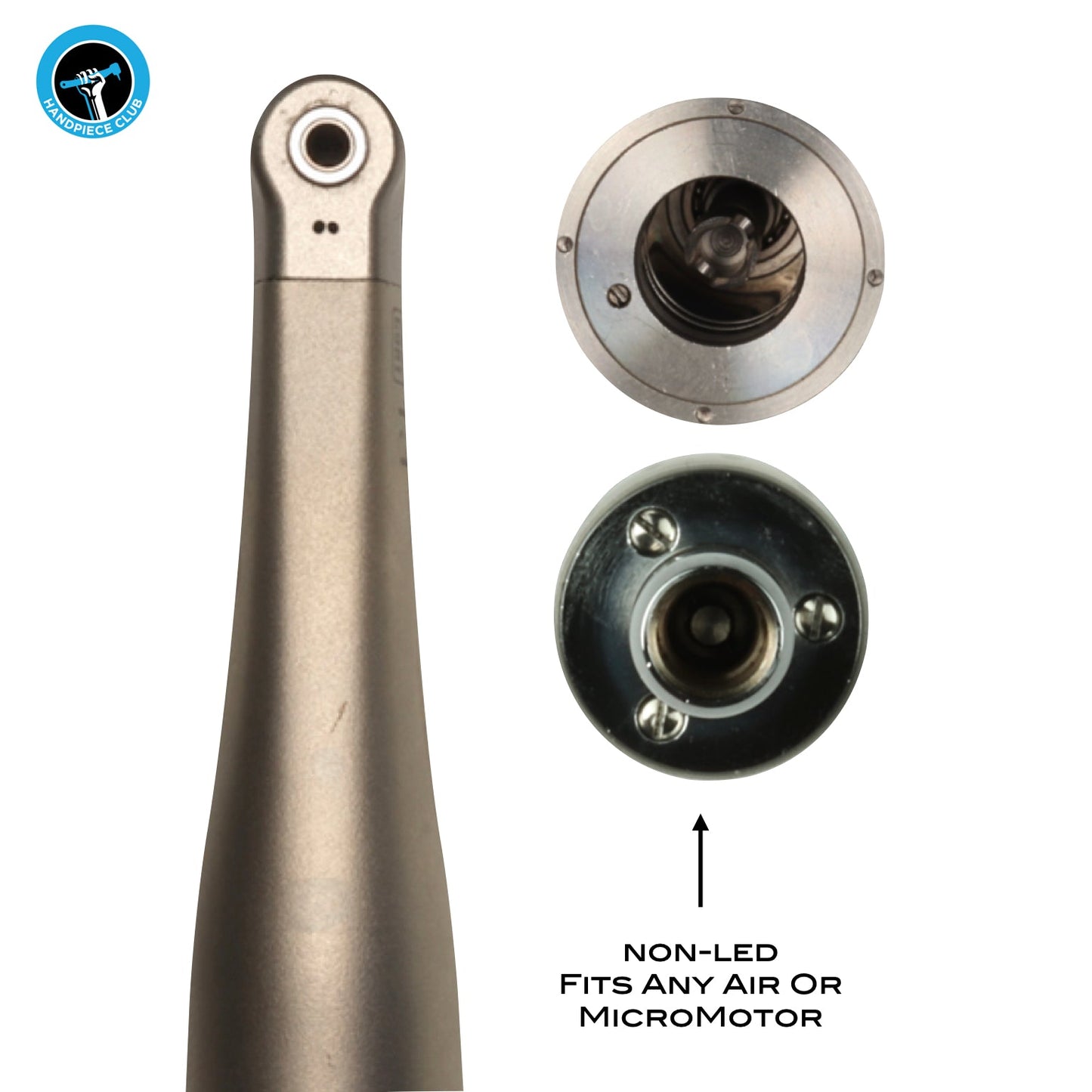
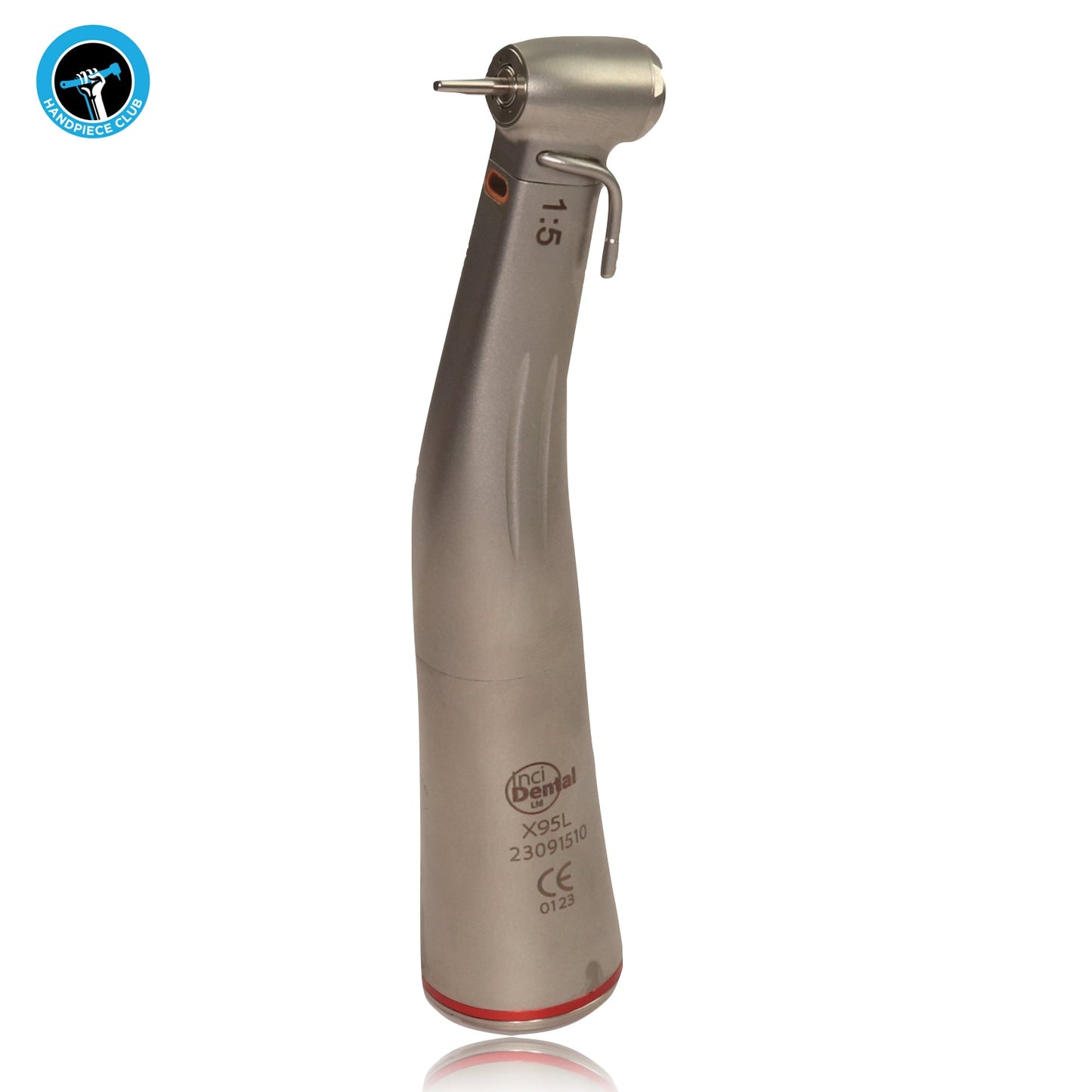
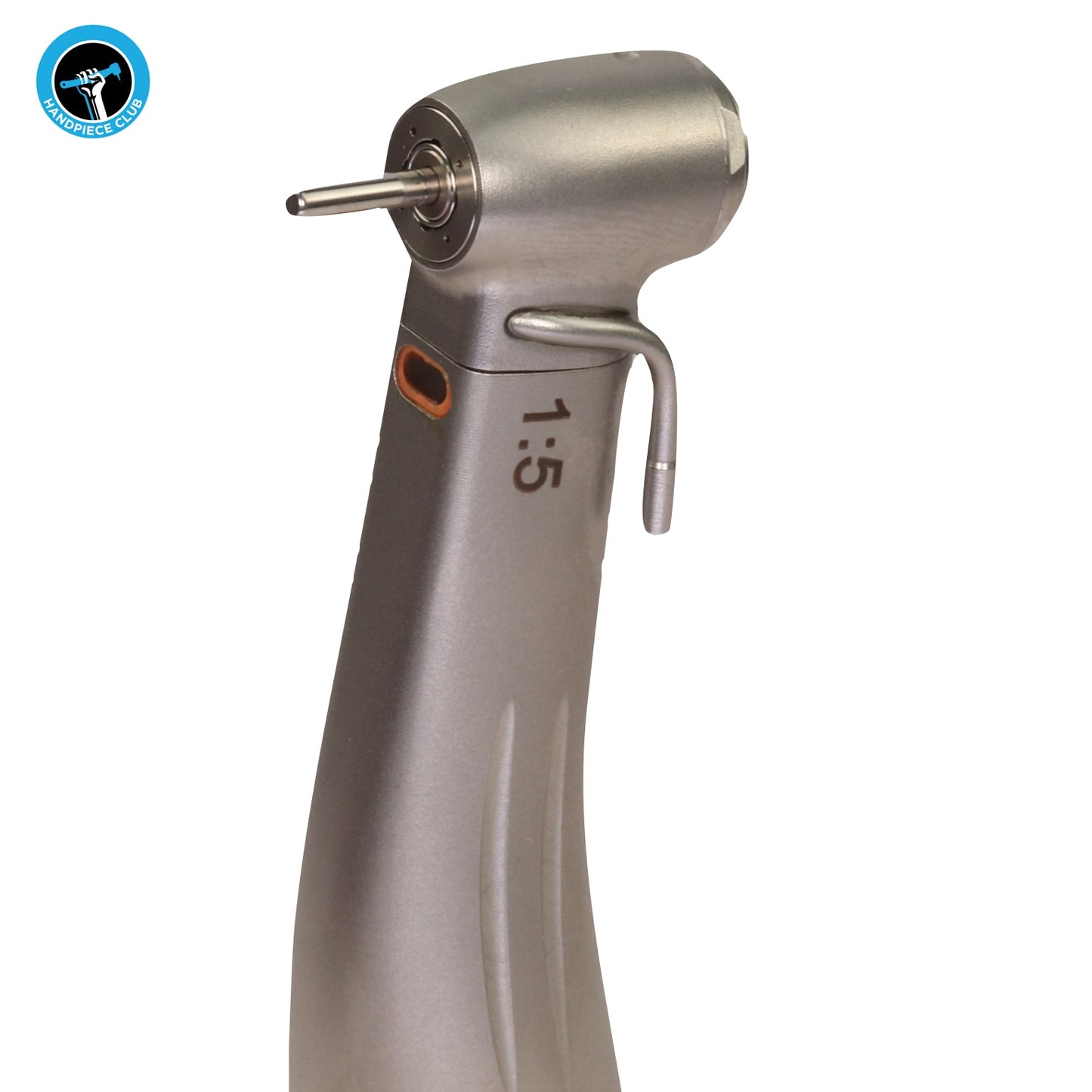
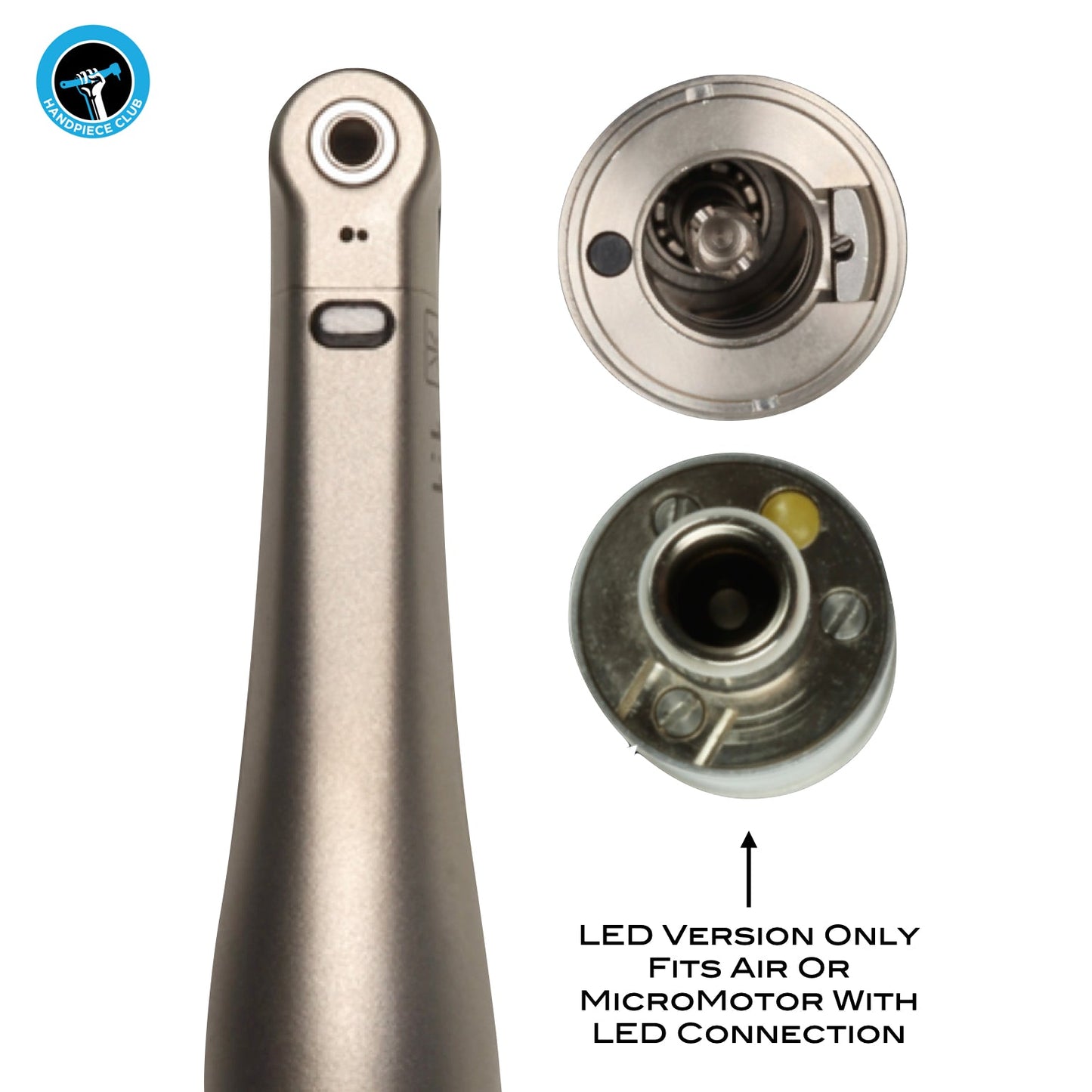
Speed increasing motors can work with air motors, or ideally, micromotors to allow varied speed and increased torque for tooth preparation.
For surgical applications it is optimal to have the water come from an external water supply so sterile water can be delivered and no air is used to pressurise and deliver the water through the handpiece.
These handpieces can only be used with irrigation when a external irrigation supply is connected to them (eg. E-type implant motors). Sterile disposable tubing (sold separately) is required to connect the handpieces to the external water supply.
Handpiece club
When you buy one of our handpiece club products you are not just buying the handpiece but also our service guarantee.
As you all know handpieces require maintenance and no matter the brand (or oiling regimen) they will often seize after 6-9 months. Sometimes they last longer, sometimes shorter but it will always occur.
This is because the bearings inside the handpieces are classed as a consumable item. They are actually rarely covered under manufacturers warranties. Also when you send your hand-piece for repair they are often repaired with a generic low quality bearing that is not designed for your hand-piece.
We think it’s time to stop cursing the repair of handpieces and instead prepare for it. We can change a bearing quickly (with a high quality compatible bearing) and get it straight back to you or we will simply replace the handpiece if the repair is more involved.
We know that chair time is so expensive in dentistry and we are fully committed to keeping your equipment working!
As with all Incidental handpieces, you’ll receive our 1-year repair or replace warranty. All repairs are carried out in-house at our purpose-built repair centre, where our renowned service ensures super-fast turnaround times to keep your practice running smoothly.
Care Instructions
Care Instructions

Levering naar Nederland in 2–11 dagen
Beschikbare bestellingen worden met FedEx verzonden. Verzendopties en het totaalbedrag worden tijdens het afrekenen getoond.

Sterke prijs-kwaliteitverhouding
We houden onze kosten bewust laag en gebruiken dat voordeel om concurrerende prijzen aan te bieden.

Online klantenservice
Ons team biedt snelle online ondersteuning. E-mail is meestal de efficiëntste manier om vragen over producten en bestellingen te beantwoorden.

Geselecteerd assortiment
We kiezen bewust voor een overzichtelijk assortiment van producten die we zelf zinvol vinden.

EU-levering met betaalde invoerheffingen
Bij de EU-verzendopties die in de checkout worden aangeboden, zijn bij bezorging geen extra belastingen of invoerrechten verschuldigd.
Alert me if this item is restocked.
We often restock popular items or they may be returned by the other customers. If you would like to be notified when this happens just enter your details below.
Wij respecteren uw privacy en delen uw e-mail met niemand.
Alert me if this item is restocked
Thank you, we have now received and recorded your request to be notified should 1:5 Handpieces (with External water supply) be restocked.
We will only use your email for this purpose.